
What Is Bio-Cellulose and Why Is It Better Than Regular Sheet Masks?
Meta Title: What Is Bio-Cellulose? Why It's Better Than Regular Sheet Masks | Skin Nutrient Australia Meta Description: Discover what bio-cellulose face masks are, how they differ from cotton sheet masks, and why Australian skincare brand Skin Nutrient uses bio-cellulose for superior results.
If you've used sheet masks before, you already know the frustration. They slip. They don't quite fit your face. The serum drips down your neck. You wear them for 20 minutes and end up with damp cotton stuck to your chin.
Bio-cellulose masks are different. Genuinely different. Not a marketing claim — structurally, scientifically different in ways that matter for your skin.
Here's everything you need to know.
What Is Bio-Cellulose?
Bio-cellulose is a natural fibre produced through bacterial fermentation. Specifically, it's created when a strain of bacteria — Komagataeibacter xylinus — ferments a sugar-rich liquid such as coconut water, producing ultra-fine cellulose fibres as a byproduct.
The fibres that result are extraordinary: approximately 1/1000th the width of a human hair, forming a dense, web-like structure that holds moisture with remarkable efficiency.
In plain terms: bio-cellulose is nature's most efficient water-retaining material. And it's produced completely naturally, without plastic, synthetics or harsh processing.
How Is It Different From Regular Sheet Masks?
Most sheet masks on the market use one of three materials:
- Cotton or non-woven fabric — the most common, cheapest option. Absorbs serum but sits on the surface of the skin rather than bonding to it.
- Hydrogel — a gel-based sheet that feels cooling. Better fit than cotton, but made from synthetic polymers.
- Bio-cellulose — naturally fermented, ultra-thin, second-skin fit, maximum serum retention.
Here's how they stack up:
| Feature | Cotton Sheet Mask | Hydrogel Mask | Bio-Cellulose Mask |
|---|---|---|---|
| Fit | Loose, slips off | Better fit | Second-skin fit |
| Serum retention | Low | Medium | High |
| Skin contact | Surface only | Surface | Bonds to skin |
| Material | Synthetic fibres | Synthetic polymer | Natural fermentation |
| Sustainability | Varies | Generally poor | Biodegradable |
| Active ingredient delivery | Limited | Moderate | Deep penetration |
Why Does the Fit Matter So Much?
This is the part most people don't think about but is actually the most important factor.
A sheet mask that doesn't fit your face properly leaves gaps — at the nose bridge, around the jaw, under the eyes. Every gap means less contact between the serum and your skin. Less contact means less absorption.
Bio-cellulose is so fine and flexible that it conforms precisely to the unique contours of your face. It stretches, it moulds, it stays put — even if you move around. This isn't a comfort feature. It's a delivery feature.
When the mask is in full contact with your skin for the entire application period, the active ingredients have nowhere else to go but into your skin.
Does Bio-Cellulose Actually Penetrate Deeper?
Yes — and here's why.
The nano-scale fibres of bio-cellulose create capillary channels that continuously pull serum from within the mask and deposit it against the skin's surface. This is called a concentration gradient effect: the high concentration of active ingredients in the mask continuously flows toward the lower concentration in your skin.
Combined with the second-skin fit that keeps the mask pressed against the skin throughout the application, bio-cellulose delivers active ingredients more consistently and deeply than any loose-fitting alternative.
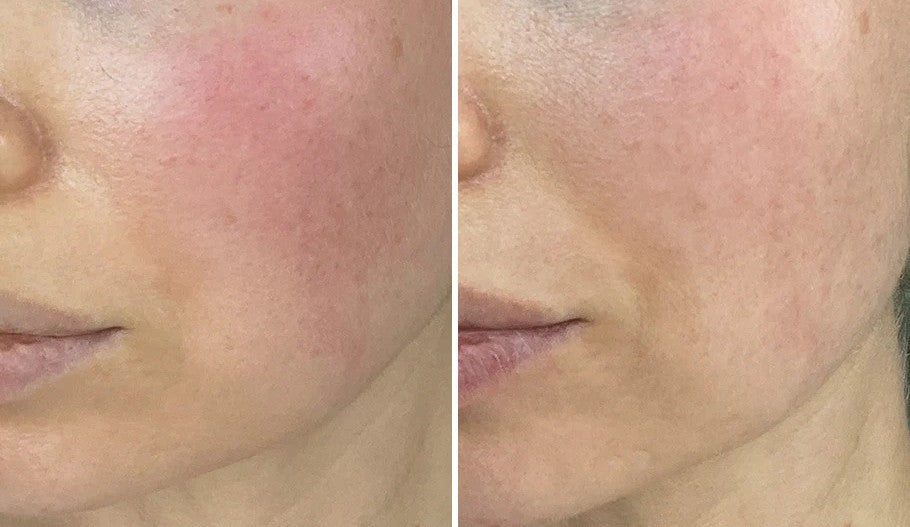
The result is visible: skin that feels genuinely hydrated and treated after a single session, not just damp on the surface.
What About Sustainability?
Bio-cellulose is produced through a natural fermentation process and is biodegradable. It's also produced without the plastic-derived fibres found in many conventional sheet masks.
At Skin Nutrient Australia, we chose bio-cellulose for our Botanic Face Masks precisely because of this combination of performance and environmental integrity. We're not interested in products that perform at the cost of the planet.
Why Does Skin Nutrient Australia Use Bio-Cellulose?
We've built our entire Botanic Face Mask range on bio-cellulose because it's the best vehicle we've found for delivering our botanical actives — Kakadu Plum, Irish Moss, Madonna Lily, Magnolia Extract — into the skin where they can actually work.
A great active ingredient in a poorly fitting mask is a wasted active ingredient. We wanted to make sure every drop of our formulas reached your skin, not your pillow.
Our five Botanic Face Masks each address a different skin concern — hydration, purification, illumination, repair and firming — and each one uses the same bio-cellulose foundation:
- Hydrating & Aqua Replenishing — for dry and dehydrated skin
- Purifying & Detoxifying — for oily and acne-prone skin
- Illuminating & Moisturising — for dull and uneven skin tone, with Kakadu Plum
- Repairing & Revitalising — for damaged and environmentally stressed skin
- Firming & Lifting — for mature skin needing structure and lift
All five are available individually or as the Mix & Mask 12-pack — our most popular way to experience the full range.
Frequently Asked Questions About Bio-Cellulose Masks
Q: Is bio-cellulose safe for sensitive skin? A: Yes. Bio-cellulose is naturally derived and is one of the most biocompatible materials used in skincare. It doesn't contain synthetic fibres, fragrances or known irritants. Skin Nutrient Australia's Botanic Face Masks are suitable for all skin types including sensitive skin.
Q: How long should you leave a bio-cellulose face mask on? A: 15 to 20 minutes is the ideal application time for a bio-cellulose face mask. This allows the serum to transfer fully from the mask to your skin. Leaving it on longer than 25 minutes can sometimes reverse the flow as the mask dries — so there's no benefit to extending the time.
Q: How often should you use a bio-cellulose face mask? A: 2 to 3 times per week is the recommended frequency for regular use. For intensive treatment (post-travel, before a big event, or at the start of a new skincare routine), daily use for 7 days is safe and effective.
Q: Is bio-cellulose better than hydrogel masks? A: Bio-cellulose and hydrogel both outperform cotton masks. Bio-cellulose has the edge for active ingredient delivery due to its natural capillary structure and superior skin adherence. Hydrogel masks can feel cooling but typically use synthetic polymers rather than naturally derived material.
Q: Can you reuse a bio-cellulose face mask? A: No. Bio-cellulose face masks are single-use. Once the serum has been absorbed, the mask no longer holds active ingredients to deliver. Using it a second time would provide no benefit.
Q: Are bio-cellulose face masks worth the price? A: Bio-cellulose masks cost more than cotton alternatives because the production process (bacterial fermentation) is more complex than manufacturing standard non-woven fabrics. However, the superior serum delivery and results justify the difference for most users. Skin Nutrient Australia offers bio-cellulose masks from $9.99 and a 12-pack bundle at $49.95 — making them accessible without compromising on quality.
The Bottom Line
If you've been using sheet masks and feeling like they don't quite deliver what the packaging promises, bio-cellulose is likely the difference you've been missing.
The fit, the delivery mechanism, the natural origin and the active ingredient efficiency all combine to make bio-cellulose the most effective mask format available.
Our Botanic Face Masks are the only Australian bio-cellulose mask range specifically formulated with native botanical actives for five distinct skin concerns. If you're ready to find your match, start with our Skincare Quiz or browse the full Botanic Face Mask range.
Skin Nutrient Australia is a Gold Coast-based natural skincare brand specialising in bio-cellulose face masks, goat milk skincare and Kakadu Plum formulas. All products are Australian-made and cruelty-free.